
Amaze Users Every Day with Unified, Intelligent Service Experiences
ServiceFocus ITSM is a scalable platform built to meet dynamic business needs. It streamlines service delivery across IT, HR, Finance, and more, using automation, AI, and real-time insights. By shifting from ticketing to resolution, it reduces inefficiencies, lowers costs, and accelerates response times. Intuitive self-service and mobile access empower users, while collaboration tools and analytics support agents and leaders. The result: smarter operations, improved satisfaction, and resilient service delivery aligned with organizational goals.
Key Features
From Ticketing to Resolution: Features That Empower
Harness automation, AI, and collaboration tools to transform ITSM into seamless, proactive service delivery.
Harness automation, AI, and collaboration tools to transform ITSM into seamless, proactive service delivery.
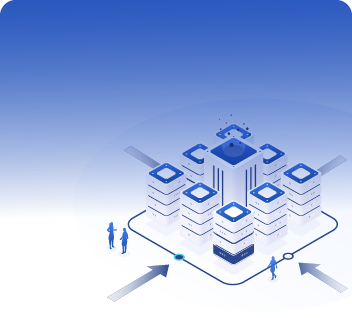
Unified Service Management & Automation
Brings together all core ITSM processes with automation, AI, and bots to move from ticketing → resolution, minimizing manual effort and accelerating response. Features include Incident Management (bot-driven CTIs, RPA integration, auto-routing), Change Enablement (workflow-driven CR lifecycle), Knowledge Management (intent-based search, KB lifecycle), Problem Management (linked incidents, alerts), Conversational Bots, MTTR reduction, Workflow Engine, System Auto-escalate
User-Centric Experience & Mobility

Security, Compliance & Governance
Analytics, Reporting & Forecasting
Extensibility & Customization
Business Agility Meets Service Excellence
Change Enablement
Change Enablement provides a structured framework to plan, govern, and track the entire change lifecycle. From readiness checklists and communication to implementation, closure, and knowledge capture, it ensures accountability and transparency. Role-based approvals, CAB reviews, and peer authorizations minimize risk while accelerating safe delivery. Ready-to-use templates, custom workflows, and cloning options simplify change creation for diverse scenarios. With proactive tracking, escalations, and real-time notifications, organizations can mitigate risks and ensure continuous compliance. This approach balances agility with governance to deliver controlled, business-aligned changes.
Knowledge Management
Knowledge Management helps teams find, use, and share critical information faster. Powered by intent-based search, it connects users to relevant articles, FAQs, and best practices at the right moment. Integrated seamlessly with incidents, service requests, and change workflows, it ensures consistent access across service processes. Teams can bookmark frequently used content, manage version control, and track article lifecycles from creation through expiry. Feedback loops and edit tracking drive continuous improvement, while embedded governance prevents outdated information from impacting resolutions. By centralizing knowledge, organizations improve speed, consistency, and user confidence.
Problem Management
Problem Management enables proactive detection, analysis, and resolution of recurring issues. Crawlers and pattern-recognition tools identify links across incidents, devices, categories, and users to uncover systemic failures. Linked incident alerts and contextual knowledge recommendations help analysts accelerate root cause analysis. During problem creation, the system provides relevant knowledge articles and potential solutions, reducing time-to-resolution. It also connects seamlessly with change management, enabling corrective actions to be implemented quickly. By addressing underlying problems, organizations reduce service disruptions, improve stability, and boost overall operational resilience.
Asset Management
Asset Management delivers end-to-end visibility and governance across the entire asset lifecycle. Teams can manage check-ins, ownership transfers, warranty details, expiry tracking, and decommissioning from a single platform. Compliance and governance are strengthened through built-in audit capabilities, while security is enforced via risk treatment plans. Confidentiality, integrity, and availability (CIA) controls safeguard sensitive data across business-critical assets. Financial tracking for invoices, receipts, and costs ensures transparent budgeting and cost allocation. This holistic view of assets helps organizations maximize utilization, mitigate risk, and reduce unnecessary expenditure.
Service Configuration Management
Service Configuration Management maps the relationships between assets, services, and processes for complete visibility. Using ready adapters and discovery tools, organizations can define configuration items (CIs), sub-CIs, and service types in granular detail. Full integration with change and asset management enables accurate impact assessment during planning and execution. Critical assets can be tracked through intuitive visualizations, dashboards, and reports, helping leaders manage dependencies with confidence. Real-time updates and monitoring ensure configuration integrity throughout the lifecycle. With this capability, enterprises strengthen control over infrastructure, reduce downtime, and improve decision-making.
Service Level Management
Service Level Management ensures accountability and transparency across IT and business processes. Organizations can configure SLAs for incidents, requests, and change processes with time- or status-based metrics. Automated notifications, escalation rules, and breach alerts keep teams on track to meet commitments. SLA clocks with pause/start/stop options ensure accurate tracking across vendors, third parties, and internal teams. Seamless integration with workflows, live presence, email, and mobile apps enhances collaboration and responsiveness. By aligning service levels with business objectives, organizations improve customer trust and operational performance.
Quality Assurance
Quality Assurance provides a closed-loop mechanism to measure and improve service experiences. Organizations can configure surveys by department, group, or category and tailor sampling percentages to capture meaningful feedback. Automated reminders, expiry rules, and escalation workflows ensure high response rates and prompt action. Feedback, whether qualitative or quantitative, is processed and analyzed for continuous improvement opportunities. Teams can create surveys quickly with drag-and-drop tools, ensuring agility in measuring satisfaction. By embedding QA, organizations can boost CSAT, improve accountability, and drive service excellence
Visualization & Reporting
Visualization and Reporting empower leaders with real-time insights and decision-making tools. Executive dashboards provide 100+ KPIs and tiles, customizable with drag-and-drop flexibility. ReadyQ enables ad hoc queries, pivots, and drill-downs, giving analysts granular views of performance data. Reports can be scheduled, exported, or shared across teams to foster collaboration and transparency. Command Center dashboards track product launches and upgrades, ensuring successful rollouts. By combining dashboards, analytics, and trend reports, organizations transform raw data into actionable intelligence that drives service improvement and strategic alignment.



Our Insights



Blog

SERVICES
IP SOLUTIONS &
PRODUCTS
PRODUCTS
ABOUT HTC


Copyright © 2026 HTC Global Services. All rights reserved.
