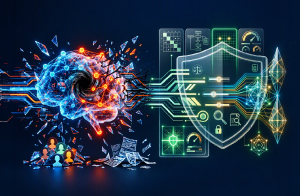



“AI without interoperability is blind. Interoperability without AI is underutilized.”
If you’ve been working in healthcare technology for any length of time, you’ve probably heard plenty of buzz about both interoperability and artificial intelligence (AI). They’re two of the biggest topics right now. But here’s something I don’t think gets said nearly enough: these two are more than related. They depend on each other. One without the other only gets you so far.
Interoperability Is the Foundation
At its heart, interoperability is about ensuring that different systems can communicate with each other. Whether it’s Electronic Health Records (EHRs), payer platforms, labs, or pharmacies, we need data to move smoothly and reliably. Standards like Fast Healthcare Interoperability Resources (FHIR), HL7/X12, Trusted Exchange Framework and Common Agreement (TEFCA), and Centers for Medicare & Medicaid Services (CMS) interoperability rules have significantly improved healthcare data interoperability.
The problem is that if data is stuck in silos or trickles through only slowly, even advanced AI healthcare solutions cannot deliver value. Interoperability is, in essence, the infrastructure that connects healthcare systems. It is the unseen framework that makes everything else flow. Without it, the entire system struggles to function cohesively.
Don’t Overlook Data Quality and Storage
In recent years, we have seen many organizations struggle more times than we can count, even when healthcare data integration is in place; the data itself is often messy, incomplete, or stored in ways that make it difficult to use. This is one of the most common interoperability challenges in healthcare.
If the data isn’t clean and well-organized, AI models begin to generate unreliable insights, miss patterns, or create inaccurate predictions. That is why cloud-based data platforms, healthcare APIs, well-structured FHIR repositories, and robust data governance frameworks are not just technical considerations. They are foundational to building reliable predictive analytics in healthcare.
Good data architecture and governance transform raw data into trusted, usable intelligence.
AI Is the Intelligence Layer
Artificial Intelligence (AI) has emerged as a transformative capability within the healthcare ecosystem, enabling organizations to enhance clinical, operational, and administrative effectiveness at scale. AI is increasingly being leveraged to identify patient and member risk patterns earlier, streamline prior authorization workflows, strengthen clinical decision support, detect care gaps proactively, automate clinical and administrative documentation, and deliver more personalized patient and member engagement experiences.
But after observing many real-world implementations, one truth remains consistent: AI is only as good as the data it receives. If AI is trained on fragmented or low-quality data, results will be unreliable, sometimes even misleading. This is the reason strong interoperability and structured Health Information Exchange (HIE) are no longer optional. They are essential in making AI effective and scalable.
How They Work Together
When strong interoperability with thoughtful AI comes together, the results become transformational:
- Prior authorizations become faster and more accurate through administrative decision support systems in healthcare.
- Care teams can spot risks and close gaps much earlier.
- Risk adjustment improves, and value-based care becomes more effective.
- Members receive more personalized and connected digital experiences.
- Clinicians and staff spend less time chasing data and more time delivering care.
Together, organizations that combine AI with interoperable healthcare ecosystems will move beyond digital transformation and into operational intelligence, delivering faster decisions, lower costs, better clinician experiences, and more personalized patient care.
Real-World Examples
Several well-documented implementations demonstrate what happens when AI is built on fragmented or poor-quality healthcare data.
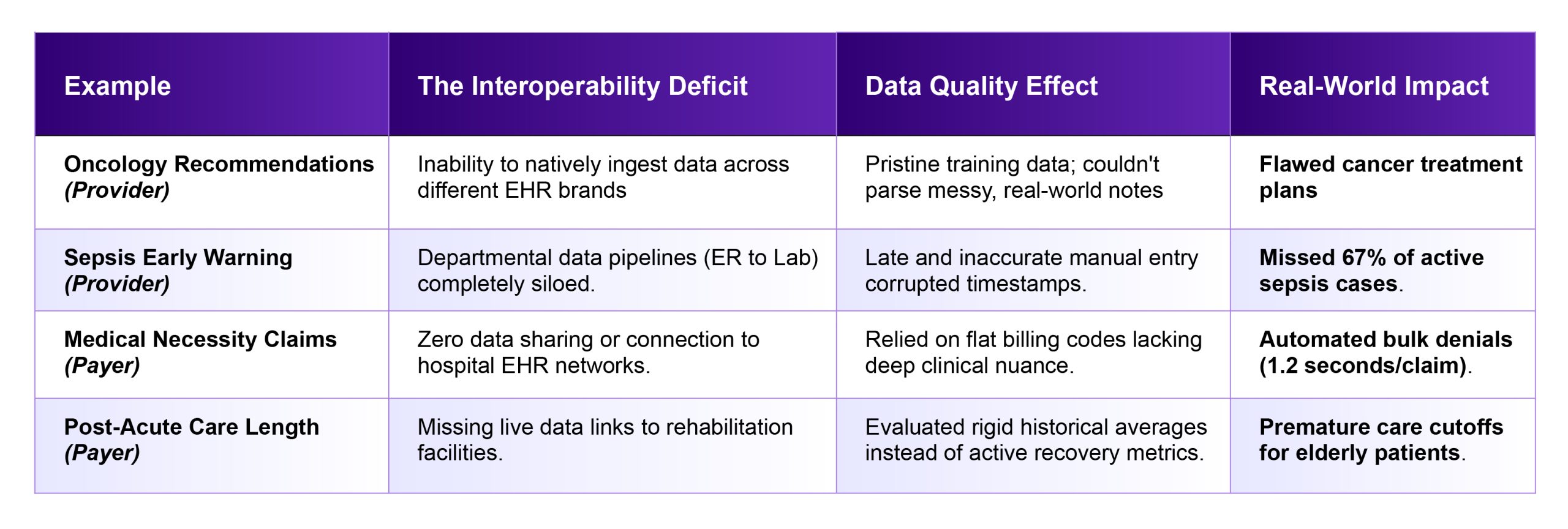
However, once real-time data was integrated through strong interoperability in healthcare systems, the AI models became significantly more precise and actionable.
The difference was night and day.
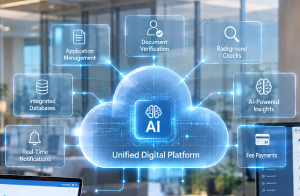
At HTC, our HTCNXT platform is designed to make this integration practical by combining reliable healthcare data interoperability with AI that turns information into real insights for both payers and providers.
HTC Interoperability Services connect Electronic Health Records (EHRs), payer systems, and Health Information Exchanges (HIEs) to enable secure, standards-based data flow and support ongoing EHR operations for reliable, real-time data exchange. Together, these services create a connected ecosystem that functions like a unified digital nervous system for healthcare organizations.
Our services cover:
- Interoperability Strategy and Readiness
- FHIR API and Modern Standards Enablement
- Regulatory Compliance and Mandate Support
- Data Integration and Platform Modernization
- Interoperability Operations and Monitoring
- Workflow Automation
- Interoperability Governance
HTC MAiGE Platform
AI-enabled platform that improves data quality, automates workflows, and enables compliant, scalable interoperability with less manual effort. MAiGE integrates seamlessly with major EHRs (Epic, Oracle Health, MEDITECH, Altera) and payer systems, transforming raw data into actionable, governed insights while upholding the highest standards of security and regulatory compliance.
The Bottom Line
The future of healthcare will be defined by organizations that can transform data into intelligence, and intelligence into action. Interoperability provides the trusted foundation that connects data across the healthcare ecosystem, while AI unlocks the insights needed to improve decisions, automate processes, and enhance patient and member experiences. When combined, they create a connected, intelligent healthcare environment capable of improving outcomes, reducing administrative burden, lowering costs, and supporting more personalized care. Organizations that approach interoperability and AI as a unified strategic initiative will be best positioned to lead the next era of healthcare transformation.
Connect with HTC’s Healthcare’s experts to learn how our Interoperability Services, HTCNXT, and MAiGE platforms can help your organization strengthen data exchange, improve operational efficiency, accelerate AI adoption, and deliver better patient, member, and clinician experiences.